
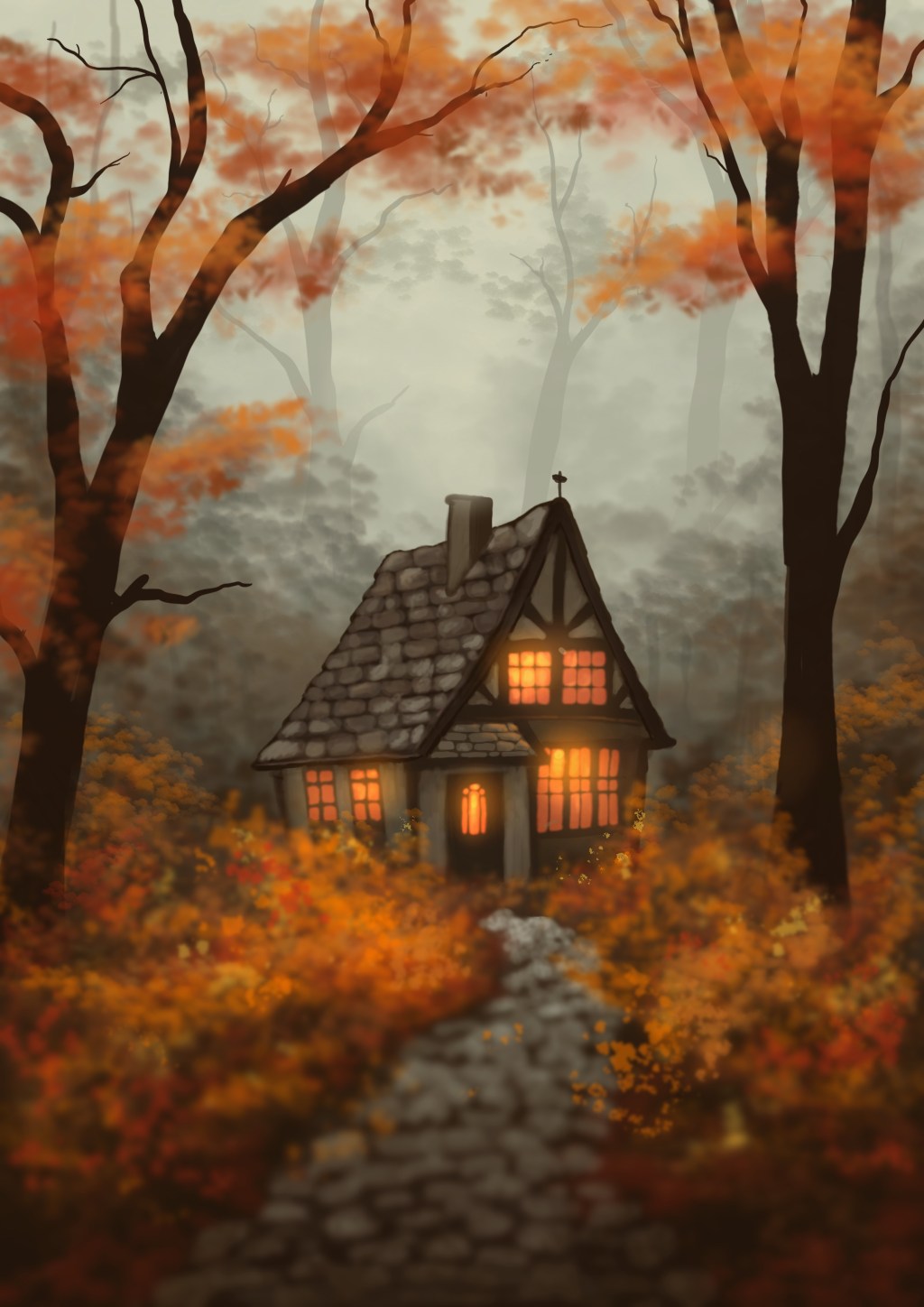
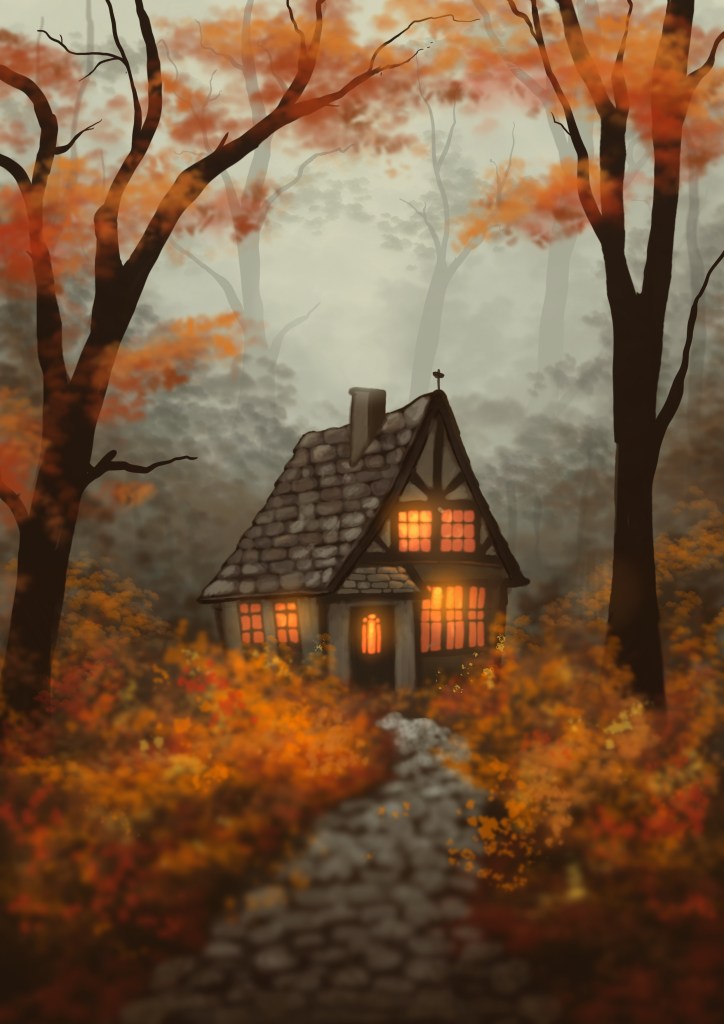
Now, before we get too deep into why I think drawing can be a skill builder for photographers, I have to shoutout James Julier Art Tutorials for the amazing procreate tutorials on his YouTube channel! Some of the drawings featured here are from his tutorials – and before you leave since these aren’t all “my original drawings” – thats a huge part of what I’m going to talk about below! You don’t have to change the world or really be all that good to glean knowledge that can be applied to photography.
As a photographer, my main focus has always been capturing moments with precision and creativity, but over time, I’ve found that picking up a pencil can be just as rewarding and educating as picking up my camera. Drawing has become a surprising yet invaluable tool that helps me refine my craft as a photographer and what started as a casual hobby has turned into a practice that has enhanced my ability to see, plan, and execute my photoshoots.
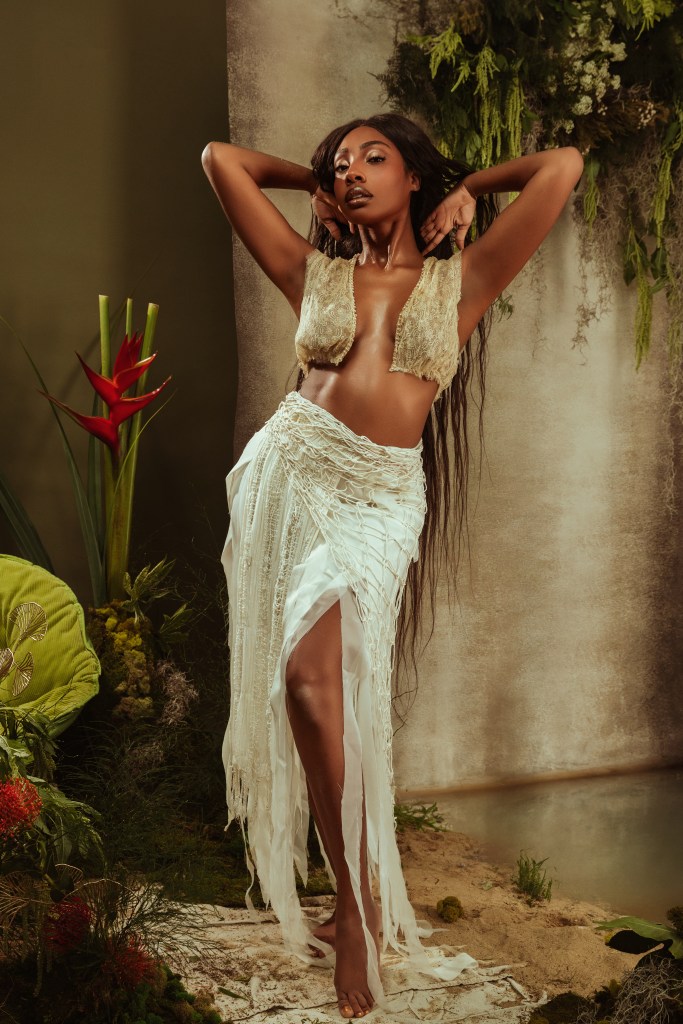
When I draw, I’m forced to slow down and truly observe the world I’m creating. It requires me to notice subtle shifts in light and shadow, the way lines flow and shapes interact. This heightened awareness translates directly into my photography, helping me compose stronger shots and anticipate how light will fall on a subject. For example, if you’re a newer photographer, it may be hard to look at an image and tell someone where all the light is coming from – drawing forces you to learn directional lighting and how that hits a subject or might bounce off the water which will better prepare you for photographing in those circumstances.
Beyond observation, drawing also empowers me to manipulate light with greater intent. Whether I’m setting up lighting in pre-production or making adjustments in post, my drawing practice has given me a clearer understanding of how light interacts with forms and textures. It’s like training your eye to predict how shadows will deepen or highlights will pop, making the technical side of photography feel more intuitive and less robotic.
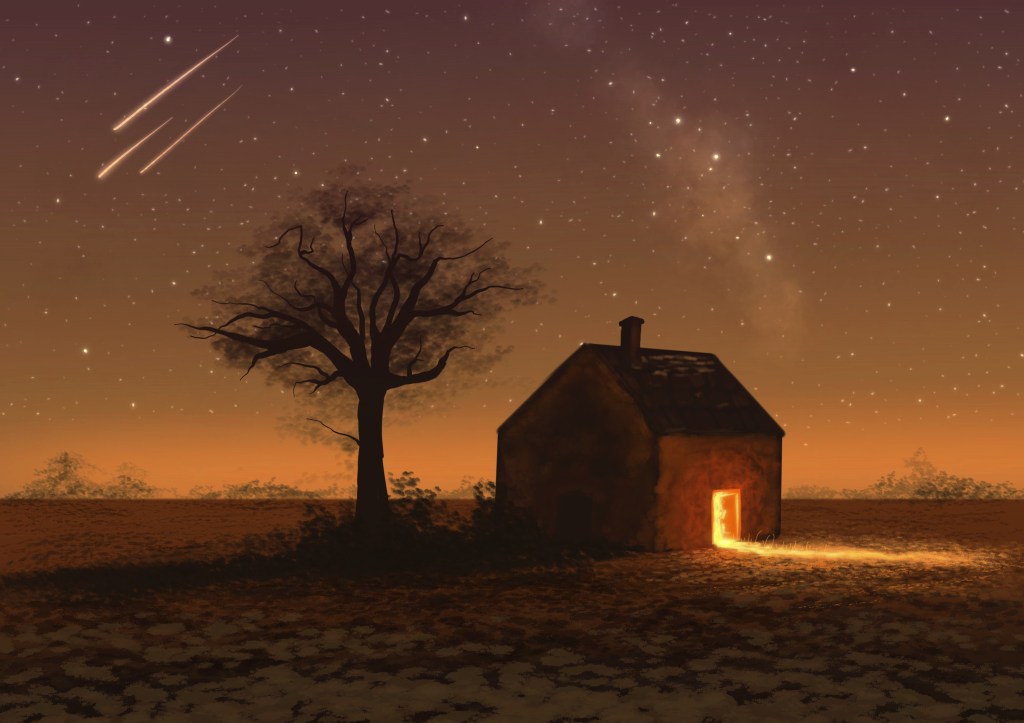
Drawing has also unlocked a deeper appreciation for color theory. Mixing pigments and experimenting with tones on (digital) paper has given me a more instinctive grasp of color harmony, contrast, and balance—skills that are essential when editing photos or choosing a palette for a shoot. By visualizing colors on a canvas, I’ve learned how they evoke mood and emotion, which has directly influenced the way I process my images to tell more compelling stories.
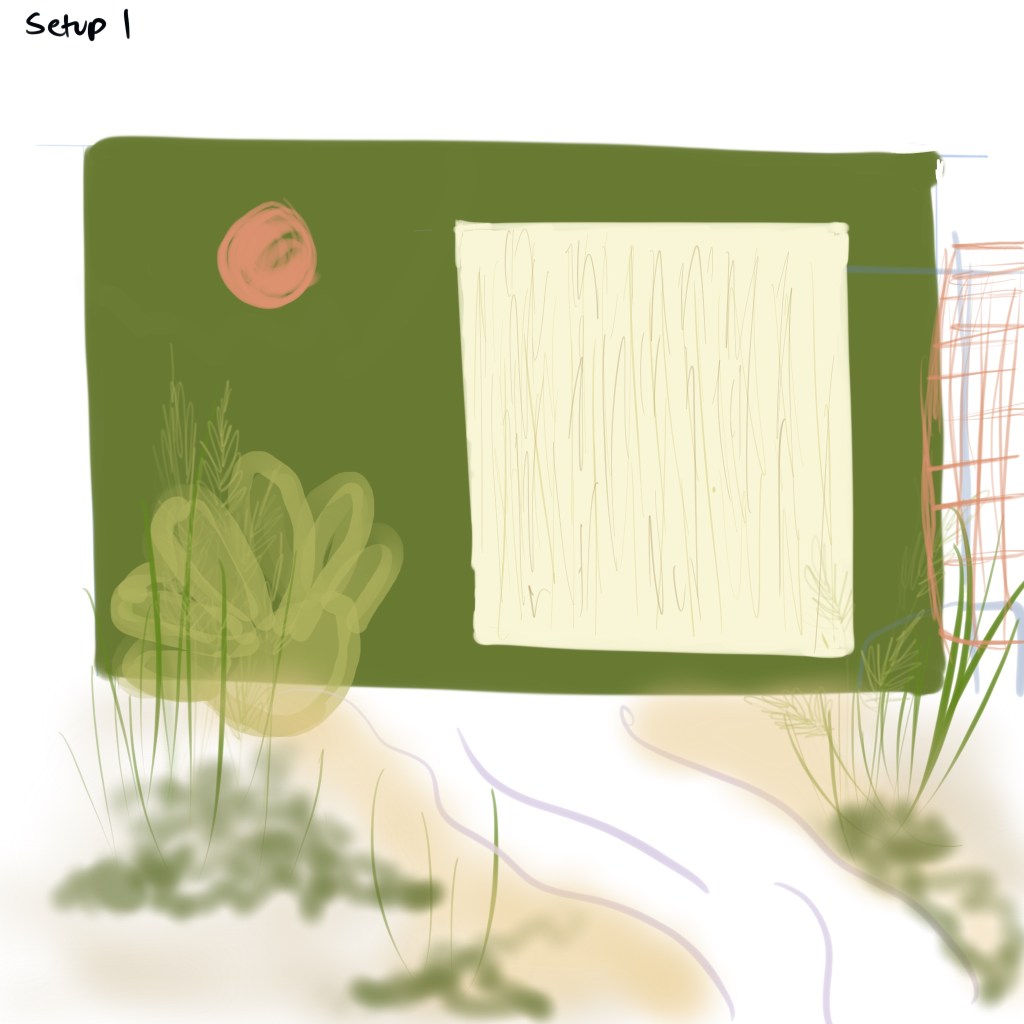
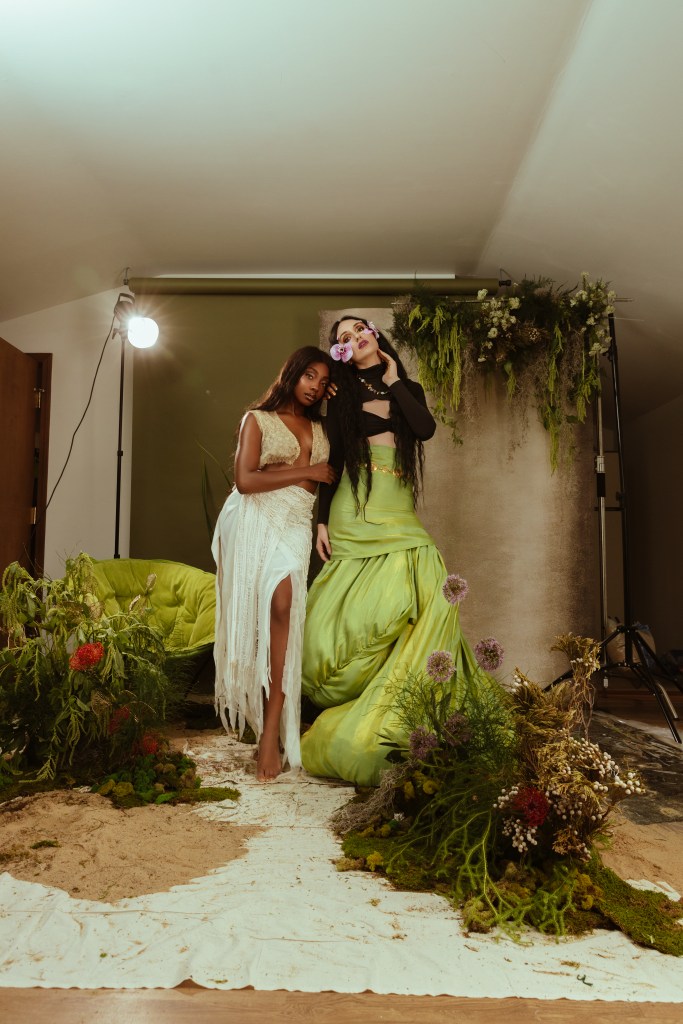
Using tutorials and references to draw is totally fine, especially if you’re not aiming to be an illustrator but just using it as a tool to get better at what you do—like photography, in my case. Tutorials give you a solid starting point, help you learn techniques, and make it easier to practice without feeling stuck. Sure, I draw on my own time too, often sketching my ideas for shoots beforehand, but there’s nothing wrong with leaning on a guide to build skills, whether it’s for understanding light, proportions, or editing. And what’s even better, no one has to see these drawings if you don’t want them to! Drawing is just one of the ways I try to improve as a photographer and I encourage you to give it a try.
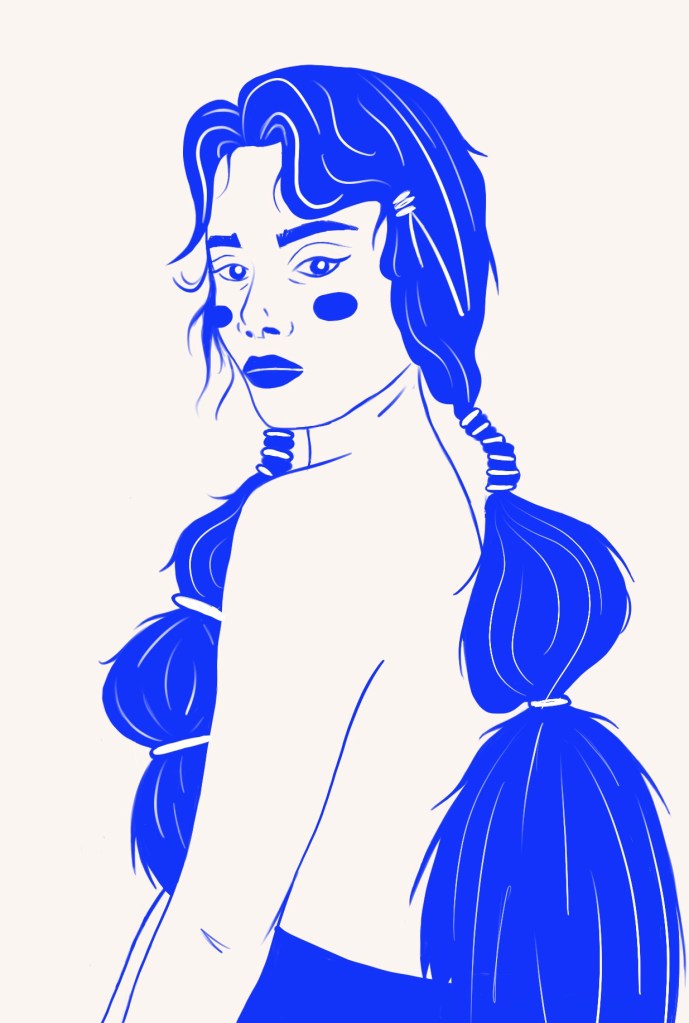
The creative overlap between drawing and photography has not only sharpened my technical skills but also expanded my creative vision. It’s a practice I’d recommend to any photographer looking to push themselves creatively in a different way.

 We Shoot Shows
Leave a comment