
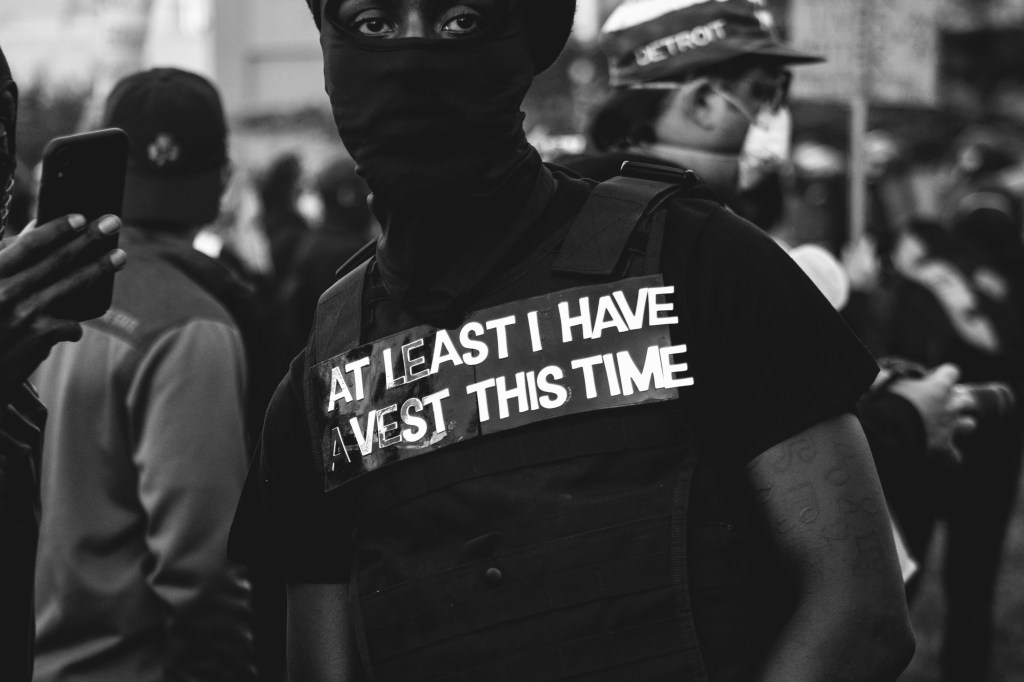
The year 2020 was marked by unprecedented events, and Detroit, the Motor City, was not exempt from the wave of protests and civil unrest that swept across the United States. The death of George Floyd in Minneapolis on May 25, 2020, sparked a nationwide movement against police brutality and racial injustice. Detroit, too, became a focal point for demonstrations, with both peaceful protests and violent clashes that revealed the city’s complex history and ongoing struggle for social justice.
Roots of Discontent
The roots of the Detroit protests in 2020 can be traced back to a long history of systemic racism, economic inequality, and police misconduct. The city has a deeply ingrained legacy of racial tension, most notably remembered for the 1967 Detroit riots, which were among the deadliest and most destructive of the civil disturbances during the civil rights movement. Many Detroiters had long felt that the issues raised during those riots remained largely unaddressed.
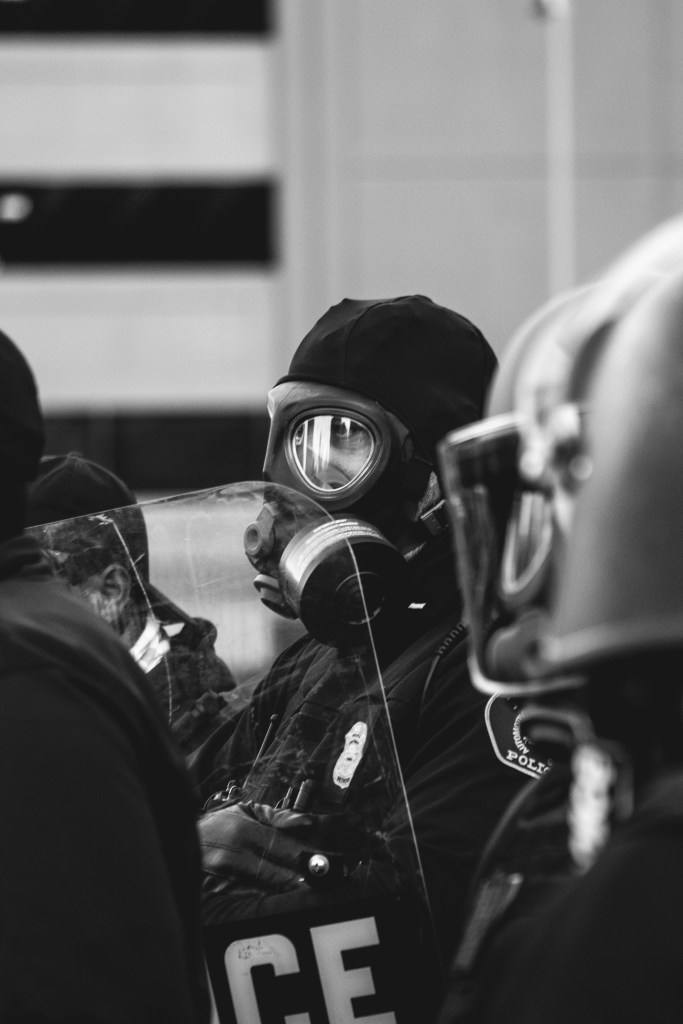
The Spark: George Floyd’s Death
The spark that ignited the protests in Detroit, as it did in numerous other cities, was the brutal and senseless killing of George Floyd by now convicted murderer and ex-Minneapolis Police officer, Derek Chauvin. The image of a Minneapolis police officer’s knee on Floyd’s neck for nearly nine minutes, despite his repeated cries for help (all over the perceived idea Floyd had used a counterfeit $20 bill) served as a stark reminder of the deep-seated issues that permeated police departments across the country. Detroiters, like millions of others, were deeply disturbed by the video of Floyd’s death and took to the streets to demand justice and accountability.
Peaceful Protests
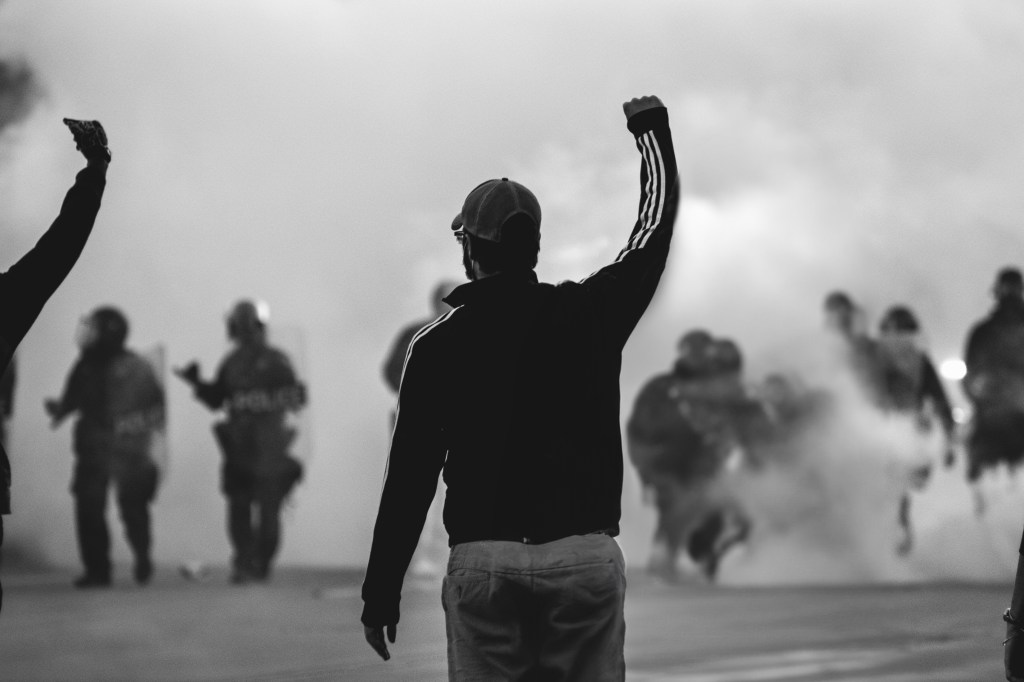
In the days following George Floyd’s death, peaceful protests erupted in Detroit, attracting a diverse crowd of demonstrators who voiced their outrage and demanded change. The protests were organized by various groups and individuals, including civil rights organizations, community activists, and concerned citizens. Detroiters showed solidarity with the larger national movement, calling for an end to police brutality, racial injustice, and a fundamental reform of the criminal justice system.
Community Solidarity
The 2020 Detroit protests showcased the city’s rich history of community solidarity. Many residents and local organizations came together to provide support and resources to the protesters, including medical aid, food, and legal assistance. This sense of unity was exemplified when protesters rallied in the heart of the city, marching alongside local law enforcement officers who, in some cases, also called for an end to police brutality and systemic racism.
Escalation to Violence
While most of the protests in Detroit remained peaceful, there were instances of violence and looting, particularly in late May and early June 2020. It’s important to note that this violence did not represent the broader sentiment of the protests but was perpetrated by a smaller, opportunistic group. Many peaceful protesters and community leaders condemned the violence and stressed the need for non-violent protest.
Government Response
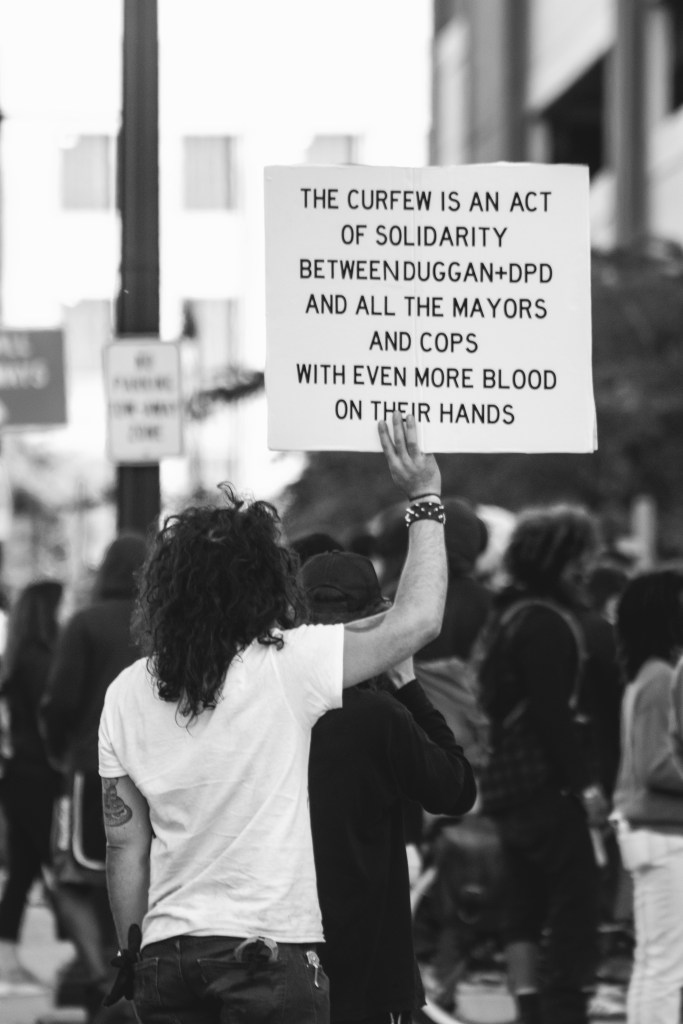
The city’s leadership, including Mayor Mike Duggan and Detroit Police Chief James Craig, worked to balance their response to the protests. They expressed support for peaceful demonstrations while taking measures to ensure public safety and prevent violent incidents. Detroit’s government, understanding the need for reform, initiated discussions about police policies and practices.

The Aftermath
The 2020 Detroit protests did not merely fizzle out; they had a lasting impact. The city saw increased dialogue about racial and social justice, as well as police reform. Community organizations and activists continued their work, pushing for lasting change. The Black Lives Matter movement remained active, advocating for justice and equality in Detroit and beyond.
The Detroit protests and riots of 2020 were part of a nationwide call for change. The city’s history, marked by racial tensions and economic disparities, contributed to the deeply felt anger and frustration that exploded in the streets. While there were moments of violence, the majority of protesters in Detroit aimed to address systemic issues, particularly police brutality and racial injustice. The events of 2020 were a stark reminder that the struggle for equality and justice is far from over, and Detroit, like the rest of the nation, remains committed to that fight.




 We Shoot Shows
Leave a comment