
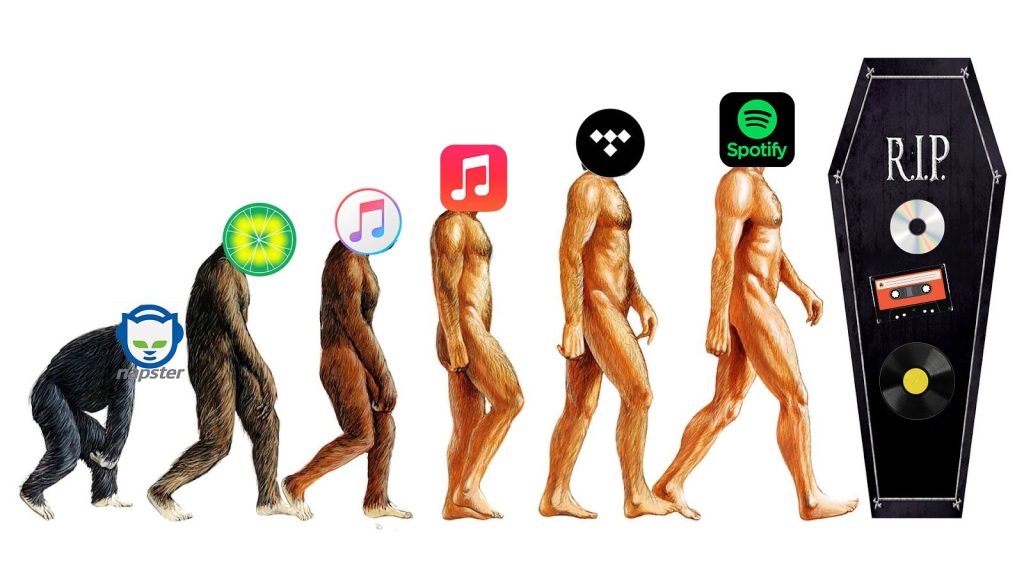
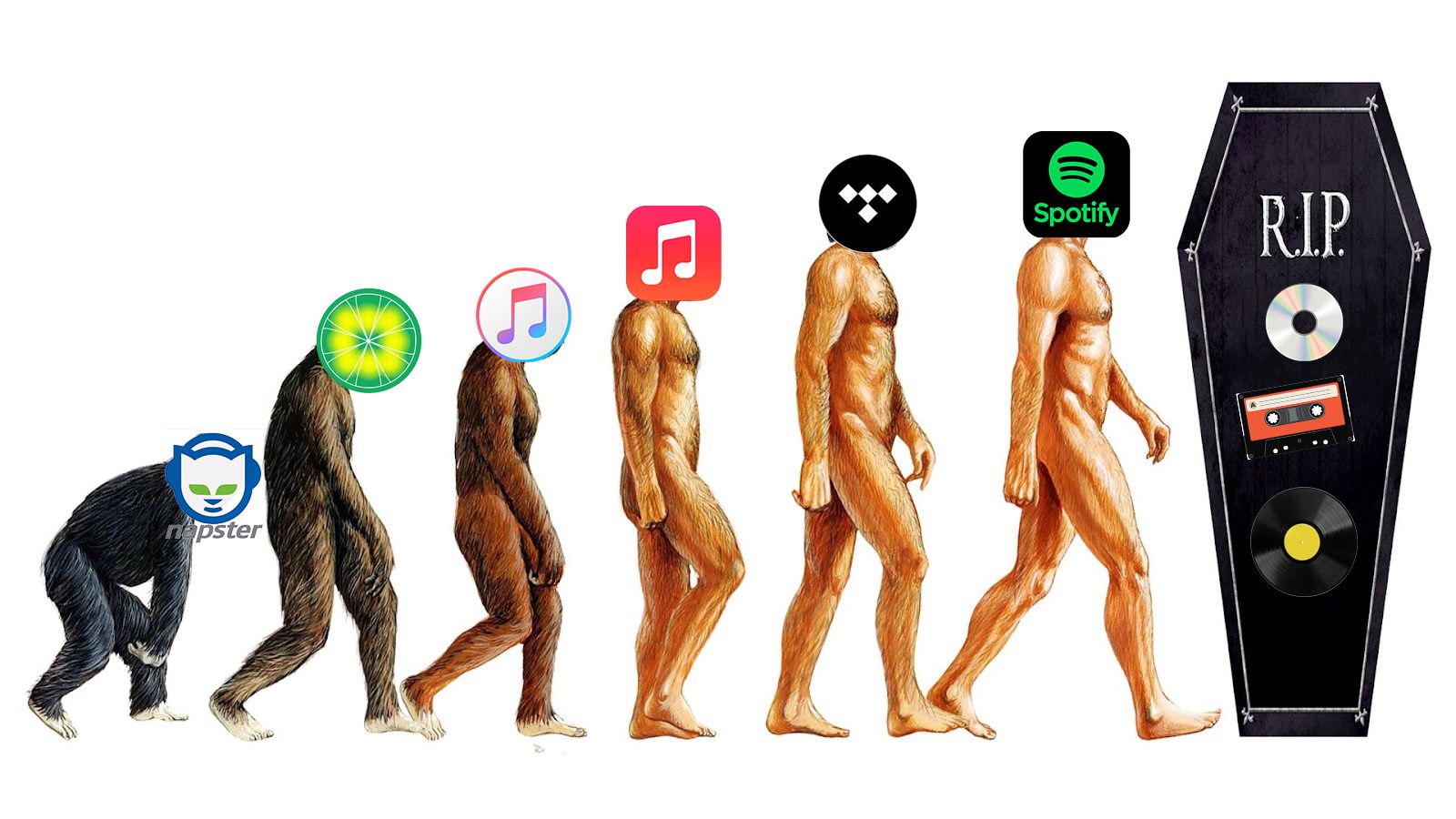
In the not-so-distant past, music enthusiasts relied on physical records, cassette tapes, and CDs to enjoy their favorite tunes. Fast forward to the present, and the music landscape has undergone a seismic shift. Today, we live in the era of music streaming, where millions of songs are accessible at our fingertips with just a few clicks. In this article, we explore the evolution of music streaming, from its rebellious beginnings to its current reign as the dominant force in the music industry.
The Dawn of the Digital Revolution
The seeds of music streaming were sown in the late 1990s when the internet began to permeate our daily lives. One of the earliest pioneers in this space was Napster, a peer-to-peer file-sharing service created by Shawn Fanning. Launched in 1999, Napster allowed users to share MP3 files freely, unleashing a digital music revolution. However, its unregulated nature and copyright infringements led to a legal battle that ultimately resulted in its demise.
LimeWire was a pioneering file-sharing software that gained popularity in the early 2000s. It allowed users to share and download music, videos, software, and other digital content over peer-to-peer (P2P) networks. LimeWire’s easy-to-use interface made it a favorite among users seeking free access to media files. However, it faced legal challenges due to copyright infringement concerns, and in 2010, it was shut down as a result of a court-ordered injunction. LimeWire’s legacy is a reminder of the early days of digital piracy and the challenges it posed to the entertainment industry, leading to changes in copyright enforcement and the rise of legal streaming services.
iTunes and the Birth of Legal Downloads
As Napster and LimeWire faced legal challenges, Apple’s iTunes emerged as a legitimate alternative for digital music consumption. In 2001, Apple introduced the iTunes Music Store, which allowed users to purchase and download individual songs for a nominal fee. This marked a significant shift in the industry, as consumers began to transition from physical formats to digital downloads.
Spotify and the Birth of Music Streaming
While digital downloads were gaining ground, a new player entered the scene, offering a groundbreaking way to consume music – music streaming. Spotify, founded in 2006 in Sweden, pioneered the concept of streaming songs legally. Unlike downloads or physical copies, Spotify provided users with instant access to an extensive catalog of music in exchange for a monthly subscription fee or ad-supported free service.
Spotify’s success can be attributed to its user-friendly interface, extensive library, and personalized playlists and recommendations. It transformed music from something you owned to something you accessed, opening the door to an entirely new era of music consumption.
The Impact on the Music Industry
The rise of music streaming had a profound impact on the music industry. Revenue streams shifted from album sales and downloads to streaming subscriptions and advertising. While this transition initially raised concerns about artist compensation, streaming eventually became a significant source of income for musicians, particularly through increased exposure and live performances.
The Competition and Expansion
Spotify’s success spurred a wave of competition. Companies like Apple Music, Amazon Music, and Tidal entered the streaming market, each offering unique features and exclusives to attract subscribers. Streaming platforms also expanded globally, making music accessible to audiences around the world.
The Future of Music Streaming
As music streaming continues to dominate, the industry is poised for further evolution. High-quality audio formats, collaborations with artists, and immersive music experiences are on the horizon. Additionally, emerging technologies like artificial intelligence and virtual reality are likely to play a role in shaping the future of music consumption.
The evolution of music streaming, from the wild days of Napster to the polished interfaces of Spotify and its competitors, has forever changed how we interact with music. As technology advances and new players enter the scene, the music streaming landscape will continue to evolve, providing music lovers with even more innovative ways to enjoy their favorite tunes. The journey from physical formats to digital downloads and ultimately to the era of music streaming is a testament to the ever-changing nature of the music industry and its ability to adapt to the digital age.





 We Shoot Shows
Leave a comment