
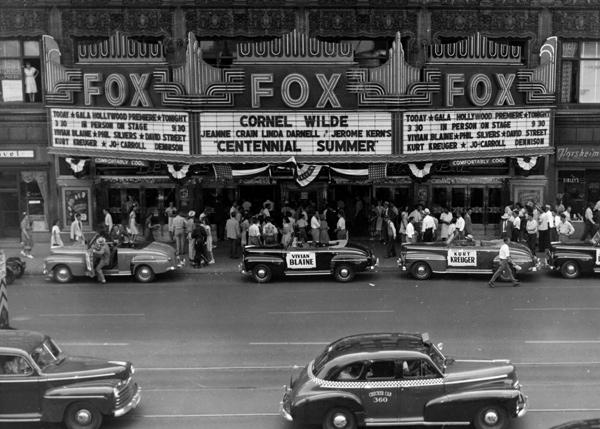
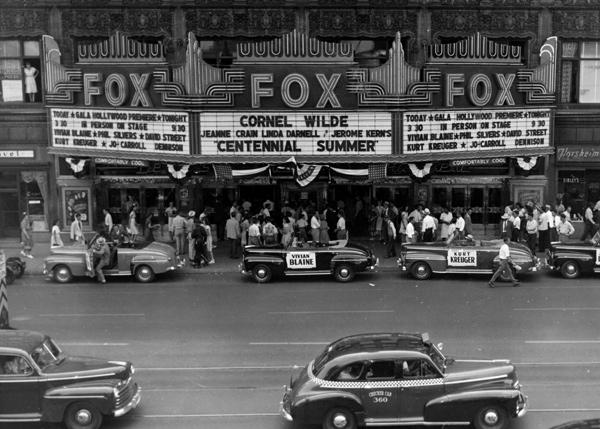
Detroit, often referred to as the “Motor City,” is not only famous for its contributions to the automotive industry, but also for its pivotal role in shaping the course of music history. From Motown to Techno, Detroit has been a hotbed of creativity and innovation, leaving an indelible mark on the evolution of music worldwide. In this blog post, we’ll take an in-depth journey through Detroit’s rich musical history and explore how it played a crucial part in the ever-changing landscape of music.
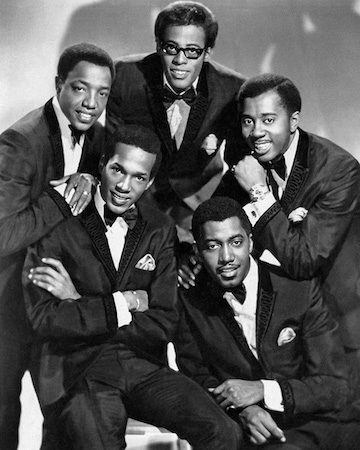
The Birth of Motown:
Our musical journey begins in the late 1950s when Berry Gordy Jr. founded Motown Records in Detroit. This legendary record label was not just a music company; it was a cultural phenomenon. Motown created a sound that transcended racial barriers and became known as the “Motown Sound.” The label’s artists, collectively referred to as the Motown family, produced timeless hits that are still celebrated today. Songs like “My Girl” by The Temptations, “Respect” by Aretha Franklin, and “I Heard It Through the Grapevine” by Marvin Gaye became anthems of the era. Motown not only introduced the world to legendary artists but also played a pivotal role in the civil rights movement by promoting racial integration and harmony.
The Jazz and Blues Scene:
While Motown was making waves, Detroit’s jazz and blues scene were flourishing in parallel. Clubs like the Blue Bird Inn and the Flame Show Bar showcased legendary performers like Miles Davis and John Lee Hooker. The city’s vibrant jazz and blues culture provided the foundation for many future music genres, influencing artists across the globe. Detroit’s jazz and blues heritage can still be heard in the soulful undertones of its music today.

The Rise of Techno:
Fast forward to the late 20th century, and Detroit was once again at the forefront of musical innovation. In the 1980s, a group of young artists and DJs, including Juan Atkins, Derrick May, and Kevin Saunderson, developed a new electronic music genre known as Techno. Rooted in the city’s industrial backdrop, Techno was characterized by its futuristic sound, pulsating beats, and an otherworldly sense of escapism. The genre quickly gained popularity both in Detroit and around the world. Clubs like the Music Institute and the Underground Resistance collective became epicenters for this electronic revolution. Techno not only paved the way for electronic dance music (EDM) but continues to influence modern music production across many genres.
Eminem and Hip-Hop:
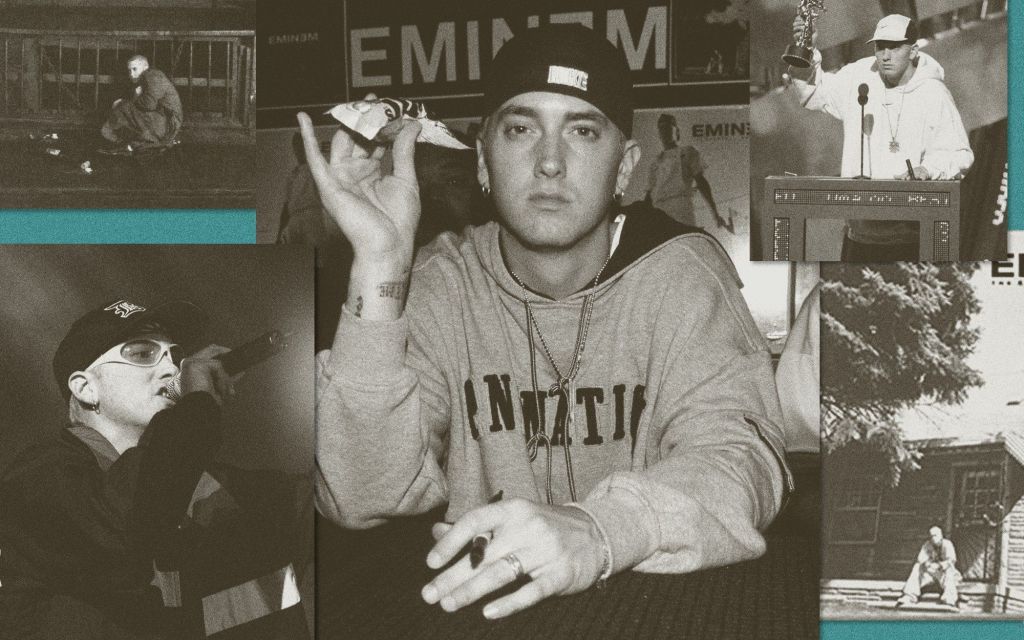
Detroit also left its mark on the world of hip-hop with the emergence of Eminem. Born Marshall Mathers, Eminem’s raw lyrics and unique storytelling style propelled him to international fame. His struggles growing up in Detroit became the backdrop for his music, painting a vivid picture of life in the once renowned city. Eminem’s success not only showcased Detroit’s talent but also helped bring hip-hop into the mainstream, solidifying the city’s place in the hip-hop pantheon.
Detroit’s contributions to the evolution of music are vast, varied, and deeply rooted in the city’s cultural tapestry. From the soulful sounds of Motown to the futuristic beats of Techno, the city’s musical heritage continues to inspire and shape the music industry today. Detroit’s role as a musical pioneer serves as a testament to the power of creativity and innovation, reminding us that music knows no boundaries and can transcend time and place. As we celebrate the rich musical history of the Motor City, we also look forward to the future, knowing that Detroit will undoubtedly continue to influence and shape the world of music for generations to come.





 We Shoot Shows
Leave a comment