


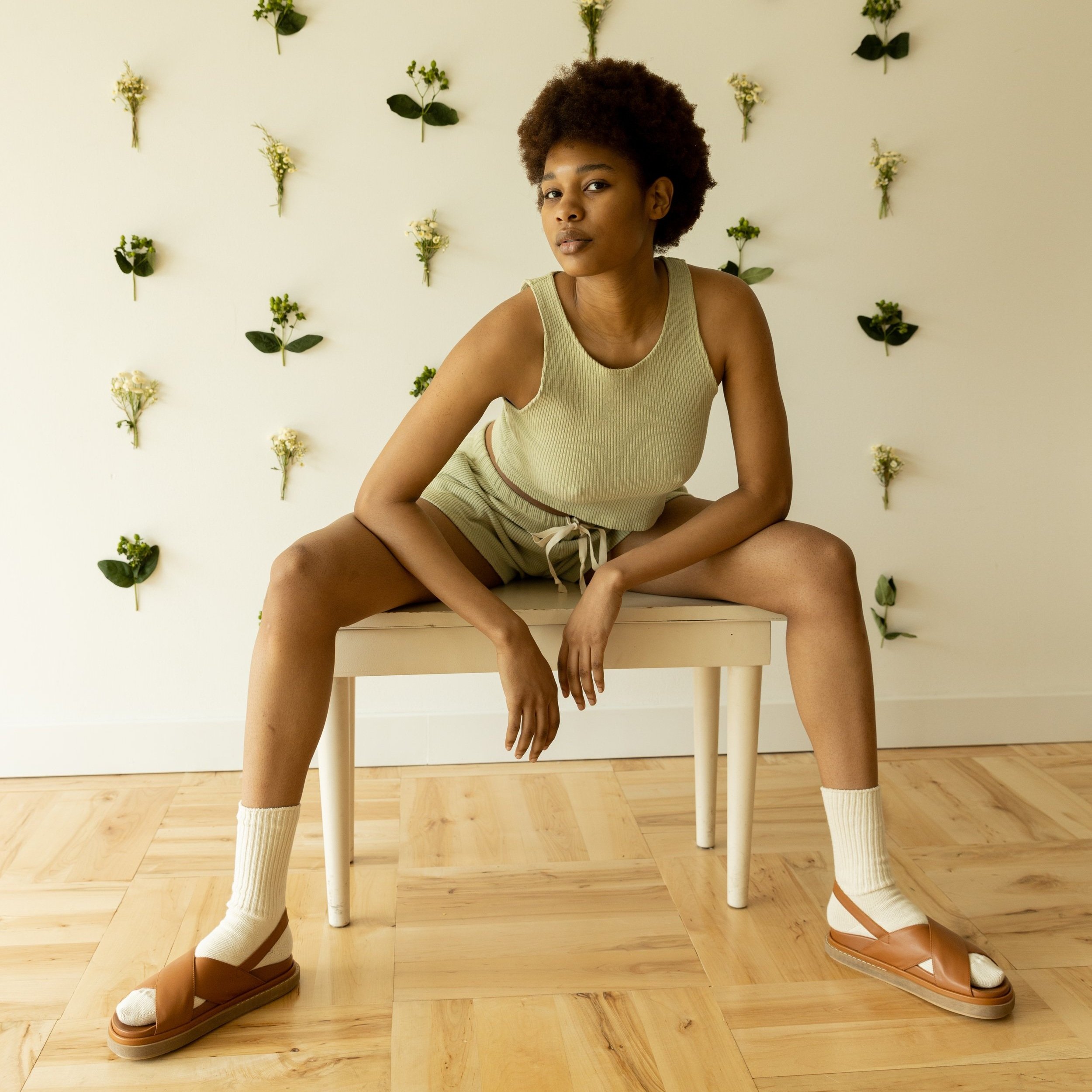
Photography by Gabriella S. Csapo for Object Apparel
Welcome to the captivating world of freelance photography, where artistry and business acumen converge. As you embark on this exciting journey of capturing the essence of the human experience, a pivotal question demands attention: How should you effectively price your freelance photography services? Fear not! In this guide, we will navigate the intricate landscape of pricing strategies with a professional and calculated approach. I know it would seem WAY easier if I just posted what I charge for my work.. but what does that really help you learn? I could offer more to my clients than you or vice versa, pricing is solely based on doing research for yourself. It’s part of being the marketing director in your freelance journey! 😉
ASSESSING YOUR VALUE
Recognizing Your Expertise: As a freelance photographer, it’s imperative to recognize and value the unique blend of skills, creativity, and vision that you bring to each project. Beyond the mere act of taking photographs, you are a storyteller, an artist, and a curator of emotions. Acknowledging and conveying your expertise will play a crucial role in setting appropriate pricing for your services. The key word is CONVEYING your expertise. Sure, we all think we’re worth a million bucks… but can we convey that to a potential client? If you can’t book clients at your current rates, you’ll need to reassess your value in the market! (Price for value in your geographical area)
ACCOUNTING FOR COSTS
Balancing Expenses and Profitability: To establish a solid pricing foundation, it is essential to meticulously account for your business expenses. (I keep all of my business expense receipts in a large Ziploc bag… it doesn’t have to be anything fancy.) Consider the costs associated with high-quality equipment, professional software, studio rentals (if applicable), marketing efforts, transportation, insurance, and ongoing professional development. Calculating your expenses ensures that your pricing structure encompasses these essential factors while allowing for a reasonable profit margin. It’s important that you can pay yourself a livable wage as well as cover expenses!
BUILDING A SOLID FRAMEWORK
Determining Your Base Rate: A fundamental component of pricing as a freelance photographer is determining your base rate. This entails calculating your desired annual income, which encompasses your personal and business expenses, as well as your financial goals. By dividing this figure by the number of working days in a year (factoring in non-shooting days for administrative tasks, marketing, and personal time), you arrive at a daily base rate that reflects your worth as a professional.
For example, if you’re working a $55,000/year job and looking to make the freelance plunge, consider what your actual costs of living are each month – including groceries/food, rent, utilities, any photo related expenses, any monthly expenses such as subscriptions, etc. Now, multiply that by 12. For this example, lets say my living expenses are $3,000 a month x 12 months = $36,000. Now, this doesn’t account for any irregular expenses, but I will generously (lower than what it actually would be) add $4,000 to that yearly expense calculation. Right now, it costs us about $40,000/year to live. If you’re looking to freelance, you’ll need to make AT LEAST $40,000 to cover the costs of living. In this case, you would need to make at least $109.59/day.
I strongly suggest freelancing on the side to build a clientele to avoid any major financial hits! I am not a financial advisor nor is this financial advice, these figures are made up to use as an example! If you’re confident and ready to take the leap, don’t let me stop you. 🙂

TAILORING YOUR APPROACH
Customizing Pricing for Individual Projects: While a base rate provides a foundation, tailoring your pricing for specific projects and clients ensures a more accurate representation of the value you deliver. Consider the complexity and scope of each project, the location, the duration of the shoot, image usage rights, and the client’s budgetary constraints. Embracing flexibility enables you to cater to diverse clientele while optimizing your earning potential.
BENCHMARKING SUCCESS
Researching Market Standards: To position yourself competitively within the freelance photography market, conducting thorough research on industry standards is paramount. Familiarize yourself with the pricing ranges of photographers with similar skill levels and experience in your region. While market research provides a useful reference point, remember that your pricing should reflect your unique style, craftsmanship, and the distinct value you offer to clients.

THE ART OF NEGOTIATION
Striking a Fair Balance: Negotiation is an art form in itself when it comes to freelance photography. Clients may present varying budgets, specific requirements, or the potential for long-term collaborations. Engage in open dialogue while remaining mindful of your bottom line. Aim for a mutually beneficial agreement that considers the value you bring while meeting the client’s expectations. During this, it is common for clients to need something you’re not ready for, don’t do yourself, or don’t have access to. Don’t take a client just because you want the paycheck! If you aren’t 100% confident you can deliver exactly what your potential client is looking for, there is no shame in recommending a friend or letting them know that you aren’t in a position to fulfill their vision. You can talk their vision down, or you can hire other freelancers to help you out! Building a community of people to work with will work wonders at the negotiation stage. I can offer a full service experience to any client by simply knowing other people who do the things I may not do.
Congratulations! Now that you’re armed with a comprehensive understanding of strategic pricing for your freelance photography services, you’re now more equipped to navigate the world of client negotiations and industry standards. Remember, pricing is an ongoing process that evolves alongside your experience, expertise, and artistic growth. Embrace the symbiosis of artistry and entrepreneurship, as you embark on a journey that allows you to do what you love!




 We Shoot Shows
Leave a comment